 Ethereum
 XRP
 Solana
 BNB
 Hedera
 Cardano
 Chainlink
 Dogecoin
 Litecoin
 Shiba Inu
 Stellar
 Pepe
 Bonk
 Sui
 Ondo
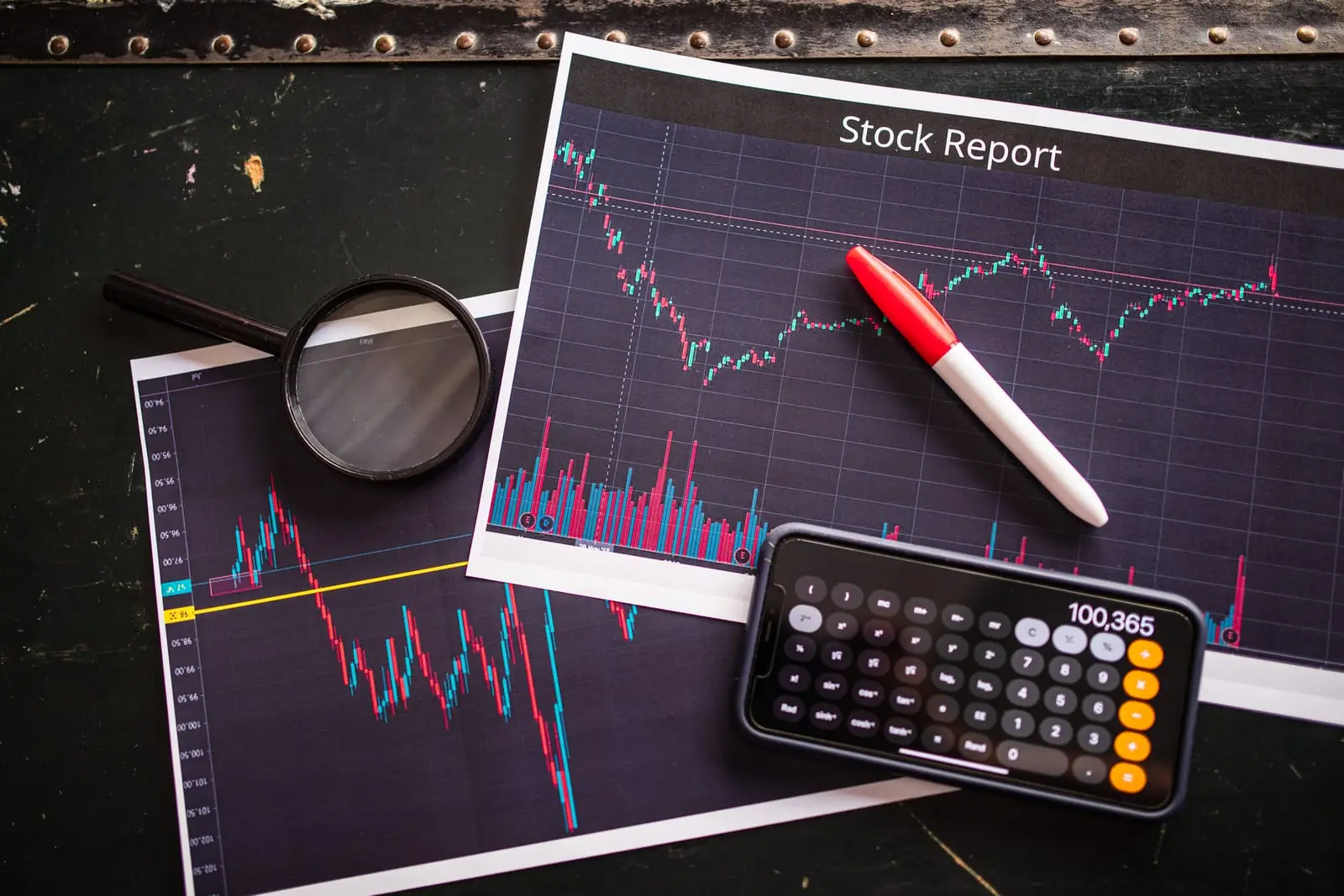
Few things move Bitcoin as consistently as the price of money. When the Federal Reserve changes interest rates, it changes how much cash costs to borrow, how attractive a risk-free yield looks and how much liquidity sloshes through markets. Understanding the link between Fed interest rates and Bitcoin will not let you time every move, but it explains a large share of crypto’s biggest swings.
This guide covers the rate path since 2024, the four channels through which policy reaches crypto, what happened in 2020 and 2022, and what to watch at the next FOMC meeting. It is a framework for thinking, not a trading signal.
- The Fed cut three times in late 2025, held through mid-2026, then hiked to 3.75%–4.00% in September 2026, its first hike since 2023.
- Rates reach crypto through liquidity, the dollar, real yields and general risk appetite.
- Surprises matter more than decisions: markets usually price the move weeks ahead.
- Easy money in 2020–2021 coincided with Bitcoin’s run toward $69,000; the 2022 hiking cycle coincided with a drop of more than 60%.
- Bitcoin currently trades around $76,008, with the next FOMC decision on December 9.
The Fed Rate Path So Far
To see why crypto traders are so focused on the Fed right now, it helps to retrace the last two years.
2024: the first cuts. After holding at 5.25%–5.50% through most of 2024, the Fed began easing in September 2024 with a 50 basis point cut, followed by two 25bp cuts in November and December. That brought the range to 4.25%–4.50% by the end of the year. (A basis point is one hundredth of a percentage point, so 25bp equals 0.25%.)
2025: pause, then three more cuts. The Fed held rates through the first half of 2025, then cut by 25bp on September 17, October 29 and December 10, 2025, ending the year at 3.50%–3.75%. The December vote was split 9–3, with two officials preferring a hold and one wanting a larger cut. Separately, the Fed ended quantitative tightening (shrinking its balance sheet) on December 1, 2025 and began buying Treasury bills to manage bank reserves, purchases officials insisted were “not QE.”
2026: a new chair and a U-turn. Rates stayed at 3.50%–3.75% through July. Kevin Warsh replaced Jerome Powell as chair on May 22, 2026. Then inflation re-accelerated, with oil prices pushed up by the US–Iran conflict, and on September 16, 2026 the Fed raised rates by 25bp to 3.75%–4.00%. On October 28 it held, but two officials, Governor Lisa Cook and Cleveland Fed President Beth Hammack, dissented in favor of another hike.
Federal funds rate decisions, 2024 to today
| Date | Decision | Target range after |
|---|---|---|
| Sep 2024 | Cut 50bp | 4.75%–5.00% |
| Nov 2024 | Cut 25bp | 4.50%–4.75% |
| Dec 2024 | Cut 25bp | 4.25%–4.50% |
| Sep 17, 2025 | Cut 25bp | 4.00%–4.25% |
| Oct 29, 2025 | Cut 25bp | 3.75%–4.00% |
| Dec 10, 2025 | Cut 25bp (9–3 vote) | 3.50%–3.75% |
| Jan–Jul 2026 | Holds | 3.50%–3.75% |
| Sep 16, 2026 | Hike 25bp | 3.75%–4.00% |
| Oct 28, 2026 | Hold (10–2, two dissents for a hike) | 3.75%–4.00% |
Sources: Federal Reserve press releases and FOMC calendar; CNBC; Fox Business; Advisor Perspectives.
The latest consumer price data showed why the Fed turned hawkish: September 2026 headline CPI rose 3.7% year over year, up from 3.4% in August, driven heavily by gasoline. October CPI is due on November 10, a month before the next decision.
The change of chair matters for crypto because markets price not only the next decision but the reaction function: how a central bank is likely to respond to future data. Before taking office, Warsh was widely seen as more concerned about inflation and the size of the Fed’s balance sheet than his predecessor. Analysts have cited expectations of a more hawkish Fed under his leadership as one reason crypto struggled in 2026. A chair does not decide alone, though. Rate decisions are made by the 12 voting members of the FOMC, and recent dissents show a committee that is far from unanimous.
How Interest Rates Affect Bitcoin
Bitcoin has no earnings, no coupon and no central bank. So why does it react to the Fed? Because its price depends on how much money is willing to take risk, and the Fed sets the cost of that money. Four channels do most of the work.
Liquidity
When rates fall and the Fed expands its balance sheet, there is more cheap money in the system. Some of it finds its way into speculative assets. When rates rise and the balance sheet shrinks, that tide goes out. Crypto, as one of the most speculative corners of the market, tends to feel liquidity changes early and hard. Leveraged traders also pay more to hold positions when rates rise, which reduces the appetite for borrowed bets.
The US dollar
Higher US rates usually strengthen the dollar because global investors want to earn the higher yield. Bitcoin is priced in dollars, and periods of a strong dollar have often been tough for BTC. A weakening dollar, by contrast, tends to support commodities, emerging markets and crypto alike.
Real yields
The real yield is the interest rate on bonds minus expected inflation. It is the true reward for holding safe assets. When real yields rise, holding a non-yielding asset like Bitcoin or gold has a higher opportunity cost. When real yields fall, especially below zero as in 2020–2021, the case for scarce, non-yielding assets gets stronger.
Risk appetite
Rate policy shapes the mood of every market. Easier policy encourages investors to move out the risk curve, from bonds to stocks to growth stocks to crypto. Tighter policy reverses the flow. Since spot ETFs launched, Bitcoin trades even more in step with Nasdaq-style risk sentiment, because the same institutional portfolios hold both.
Why Expectations Matter More Than the Decision
Markets look forward. By the time the Fed announces a cut, futures markets have usually priced it for weeks. That is why Bitcoin can fall on a cut day (if traders hoped for more) or rise on a hike day (if the statement sounds less hawkish than feared).
Tools such as CME FedWatch translate futures prices into probabilities for each meeting. After the October 2026 meeting, FedWatch showed roughly 83% odds of a December hike. If that probability holds, a hike in December is largely in the price; a surprise hold would be the bigger news.
Three other signals often matter as much as the rate itself:
- The statement and press conference. Phrases about “further firming” or “patience” can move markets more than the decision.
- The dot plot. Four times a year, each official projects where rates are heading. December is one of those meetings.
- The balance sheet. Changes to reserve-management purchases or a renewed runoff affect liquidity even without a rate change.
Historical Episodes: 2020 and 2022
Two recent episodes show the relationship at its most extreme, in both directions.
2020–2021: emergency cuts and the liquidity boom
In March 2020, as Covid hit, markets crashed. On March 12, 2020, Bitcoin fell from about $7,900 to about $5,000 in a single day, roughly a 37% drop, as investors sold everything for cash. The Fed responded with an emergency 50bp cut on March 3 and a cut to 0%–0.25% on March 15, plus massive asset purchases.
What followed was one of the strongest crypto rallies on record. With rates at zero and real yields deeply negative, Bitcoin climbed to a peak near $69,000 on November 10, 2021. The 2020 halving played a role too, but most analysts see the liquidity wave as a key driver. Our Bitcoin 4-year cycle analysis looks at how the two forces overlapped.
2022: the hiking cycle and the crypto winter
The Fed began raising rates on March 16, 2022 and lifted them by more than four percentage points within the year, the fastest pace in decades. Bitcoin lost more than 60% in 2022, bottoming near $15,500 around November 21, 2022 after the collapse of FTX.
The lesson is not that hikes alone caused the crash. Terra/Luna, Celsius and FTX were crypto-specific failures. But tightening liquidity exposed the leverage and weak balance sheets that made those failures possible. Our crypto bear market guide explains how these phases usually unfold.
Rate regimes and Bitcoin
| Period | Fed stance | What BTC did |
|---|---|---|
| Mar 2020 | Emergency cuts to near zero, QE | Crashed about 37% in one day, then began a long rally |
| 2021 | Zero rates, asset purchases | Peaked near $69,000 in Nov 2021 |
| 2022 | Rapid hikes, QT | Fell more than 60%, low near $15,500 in Nov 2022 |
| Late 2024 | First cuts | Rallied to new highs into early 2025 |
| Late 2025 | Three cuts, QT ends | Fell from about $126,000 ATH (Oct 6) after a record liquidation event |
| 2026 | Holds, then a hike in Sep | Drew down to a 2026 low near $57,700 in mid-year |
Historical prices are approximate and vary by exchange. Sources: Federal Reserve, CoinGecko, The Block, Coinbase, Capital.com.
The late-2025 row is a useful reminder: cuts did not save Bitcoin when a leverage flush and ETF outflows were dominating. Rates set the backdrop; they do not overrule everything else.
What Rates Mean for Altcoins
Altcoins usually react more than Bitcoin to changes in liquidity. When money is easy, investors reach for smaller, riskier tokens. When it tightens, they retreat to Bitcoin or out of crypto entirely. That is why altcoin drawdowns in tightening cycles tend to be deeper.
Ethereum trades around $2,236 after falling well below its August 2025 high, a larger percentage decline than Bitcoin’s. If you follow specific coins, see our Ethereum price prediction and the full list on the price predictions hub. Meme coins and small caps are the most sensitive of all to the liquidity cycle.
Rates change, discipline doesn't
Policy cycles come and go. A steady plan and sensible position sizes matter more than guessing the next FOMC move.
What to Watch at the Next FOMC Meeting
The FOMC meets on December 8–9, 2026, with the decision and a new Summary of Economic Projections released on the 9th. Here is a practical checklist:
- October CPI on November 10Another hot print would cement hike expectations; a cooler reading, especially in core inflation, would open the door to a hold.
- Jobs dataA weakening labor market would make a second hike harder to justify.
- Oil pricesEnergy has driven much of the inflation jump. A fall in oil would ease pressure on the Fed.
- FedWatch probabilitiesCompare the market’s odds with the outcome. The surprise is what moves prices.
- The dot plotWatch how many officials project further hikes in 2027 versus cuts.
- Balance sheet languageAny change to reserve-management purchases affects liquidity directly.
Fed Rate Scenarios and Typical Crypto Reactions
These are historical tendencies, not predictions. Real reactions depend on what was priced in and on everything else happening at the time.
Fed outcomes and how crypto has tended to react
| Outcome | If expected | If a surprise | Usual pressure on altcoins |
|---|---|---|---|
| Hike | Muted, sometimes relief rally | Sharp risk-off, dollar up | Stronger downside than BTC |
| Hold | Small move; focus on guidance and dots | Relief rally if a hike was priced | Follows BTC with higher beta |
| Cut | Often "sell the news" or small gain | Strong risk-on, dollar down | Stronger upside than BTC |
| Hawkish guidance | Pressure builds over days | Fast drop, liquidations | Deeper drawdowns |
| Dovish guidance | Gradual support | Quick squeeze higher | Broad rally in high-beta coins |
Framed as tendencies observed in past cycles. Not financial advice.
How We Factor Macro Into Our Forecasts
Our model does not read FOMC statements. It uses price-based inputs: long-run growth assumptions, volatility from the past year, moving averages, RSI and a halving-cycle overlay. Macro shocks show up through price and volatility once they happen. That is a limitation worth knowing. You can read the full method in how crypto price predictions work.
For Bitcoin, the model’s 2027 average sits at $100,083, which you can compare with today’s price on the Bitcoin price prediction page. If you want to stress-test outcomes, the AI crypto price predictor simulates thousands of paths with fat-tailed shocks, which is a decent stand-in for surprise-driven markets.
Key Lessons for Crypto Investors
Rates are the tide, not the waves. Easy money lifted almost every crypto asset in 2020–2021; tight money sank most of them in 2022. Inside those regimes, crypto-specific events such as halvings, exchange failures, ETF launches and legislation decide the details.
A few rules of thumb hold up well. Watch real yields and the dollar, not just the headline rate. Pay attention to what the market expects before the meeting. And remember that the Fed reacts to inflation and jobs, so those data releases often move Bitcoin more than the decision day itself. For the political side of the policy story, see our analysis of the 2026 midterm elections and crypto, and for current drivers, why crypto is down.
Nothing here is financial advice. Our forecasts are algorithmic estimates based on technical analysis and historical data, and they carry real uncertainty.
Frequently asked questions
Do Fed interest rate cuts make Bitcoin go up?
Often, but not reliably. Cuts tend to support risk assets by lowering the return on cash and loosening financial conditions, and Bitcoin is among the most rate-sensitive assets. But the Fed cut three times in late 2025 while BTC fell from its October 2025 peak, because leverage, ETF outflows and inflation fears mattered more. What the market expected before the decision counts as much as the decision itself.
What is the current Fed interest rate?
The federal funds target range is 3.75%–4.00%. The Fed raised it by 25 basis points on September 16, 2026 and held it on October 28, 2026 by a 10–2 vote, with two officials preferring another hike. The next decision is due on December 9, 2026, at the end of a two-day meeting.
Why does Bitcoin fall when the Fed raises rates?
Higher rates make cash and bonds more attractive, raise borrowing costs for leveraged traders, tend to strengthen the dollar and push up real yields. All of that reduces demand for assets that pay no income. In 2022, as the Fed hiked from near zero, BTC lost more than 60% of its value, though crypto-specific failures such as FTX added to the damage.
Who is the Fed chair now?
Kevin Warsh became Fed chair on May 22, 2026, succeeding Jerome Powell, who stayed on the Board as a governor. Warsh chaired his first FOMC meeting on June 16–17, 2026. The September 2026 hike was the first rate increase since 2023.
When is the next FOMC meeting?
The next FOMC meeting is December 8–9, 2026, and it includes a new Summary of Economic Projections with the dot plot. The first meeting of 2027 is scheduled for January 26–27. Check the official calendar on federalreserve.gov, since dates can change in rare cases.
Is Bitcoin a hedge against inflation?
The evidence is mixed. Bitcoin's fixed supply makes the long-run case appealing, but in the short run BTC has traded more like a high-risk tech asset. When inflation pushes the Fed to tighten, as in 2022 and again in 2026, Bitcoin has usually fallen rather than risen.
Put your research into practice
Compare forecasts, size your position for volatility, then open an account on a licensed exchange.
Keep exploring
Midterms & Crypto
How the 2026 US midterm results could shape crypto: Congress control, the CLARITY Act, pro-crypto races and…

Bitcoin Prediction
Bitcoin price prediction for tomorrow, the next 12 months, 2030 and 2040: live BTC price, monthly forecast…
Bear Market Outlook
Every crypto bear market compared: drawdowns, duration and what marked the bottom, plus crash-risk signals to…
Bitcoin 4-Year Cycle
Bitcoin’s four-year halving cycle with real numbers from every cycle since 2012, why returns keep shrinking…
Why Is Crypto Down?
Why is crypto down? Live market snapshot plus the eight forces behind most sell-offs: macro data,…
Crypto ETFs
How spot crypto ETFs work, how big the flows are and whether they really move prices. Bitcoin, Ethereum,…
Not Financial Advice (NFA). This page is published by an independent analytics portal. Forecasts are generated by algorithms based on technical analysis and historical data; they are estimates with wide error margins, not promises or recommendations. Crypto prices are extremely volatile and you could lose all of your investment. Do your own research and never invest money you cannot afford to lose. Full disclaimer · How our model works