 Ethereum
 XRP
 Solana
 BNB
 Hedera
 Cardano
 Chainlink
 Dogecoin
 Litecoin
 Shiba Inu
 Stellar
 Pepe
 Bonk
 Sui
 Ondo
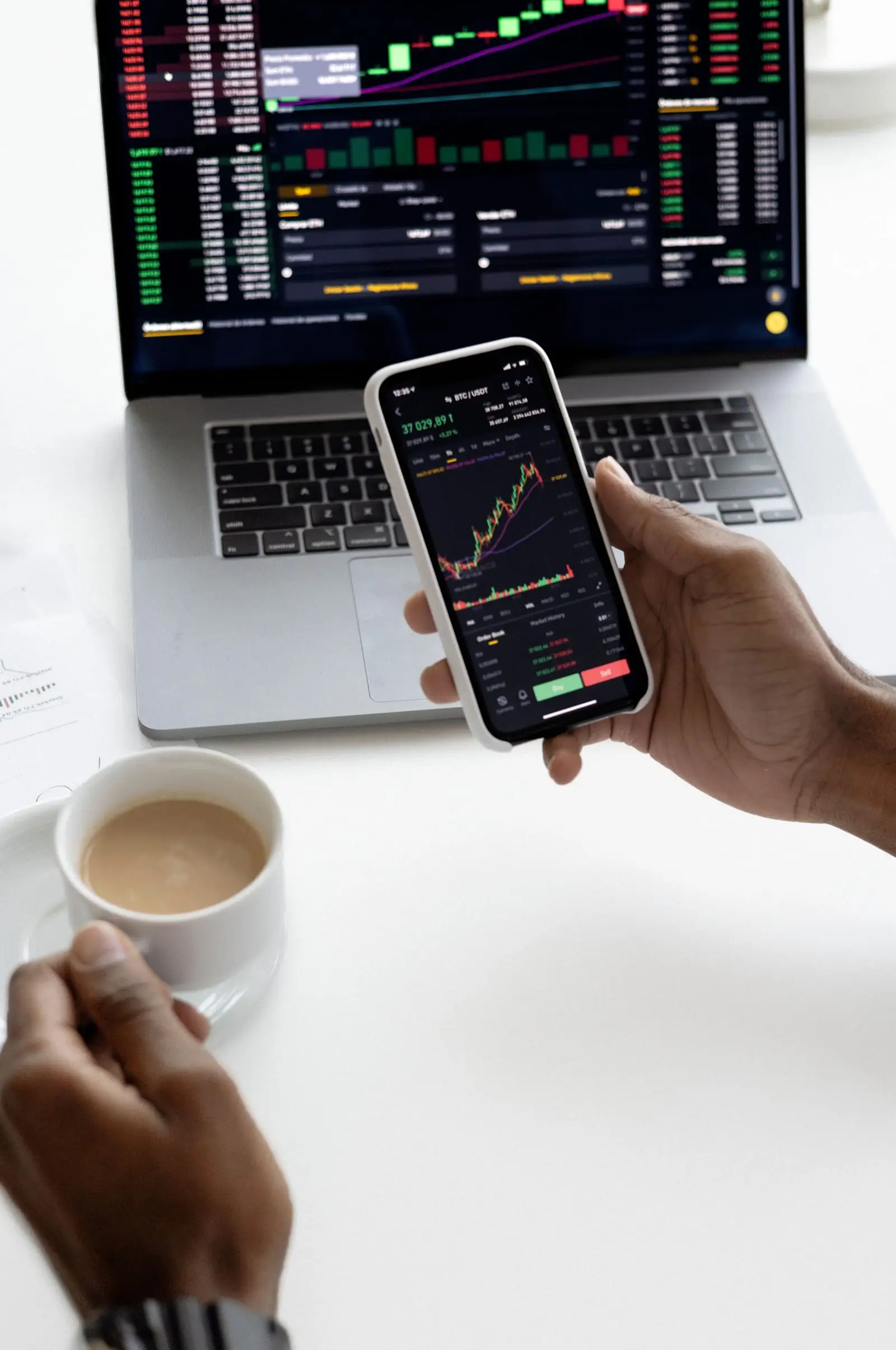
Learning how to buy crypto is easier than it looks, but the first purchase is also where many beginners make costly mistakes: an unregulated platform, a weak password, a phishing link, or an order placed at a bad price. This guide walks through the whole process in order, from picking a licensed exchange to moving coins into a wallet you control.
We do not recommend specific platforms. Instead, you will find a checklist to judge any exchange yourself, plus the security habits and order types that matter most. Nothing here is financial advice; it is a practical guide to doing the mechanics safely.
- Start with an exchange that is licensed or registered where you live, and check its security record and fee schedule.
- Turn on two-factor authentication with an authenticator app before you deposit any money.
- Bank transfers are usually cheaper than cards. Limit orders give you more control over price than market orders.
- Exchanges hold your coins for you; a self-custody wallet puts you in control, along with full responsibility for the seed phrase.
- Never share a seed phrase, never trust guaranteed returns, and keep records for taxes.
Before You Buy: Three Questions
A few minutes of planning prevents most regrets.
- How much can you afford to lose? Crypto prices regularly fall 50% or more in bear markets. Only invest money you would not need if that happened.
- What is your time horizon? A long horizon lets you ride out swings; a short one exposes you to timing luck.
- Why this coin? If the only reason is a social media post, slow down. Read the coin’s fundamentals and our model ranges on the crypto price predictions hub first.
If you want to see what a range of outcomes could mean for a specific amount, the AI crypto price predictor simulates thousands of possible price paths and shows the bear, base and bull case in dollars.
How to Choose a Crypto Exchange
The exchange is the most important choice you make, because it will hold your money and your personal data. Use this checklist on any platform you are considering.
Exchange checklist
| Criterion | What to check | Why it matters |
|---|---|---|
| Licensing in your jurisdiction | The platform is licensed, registered or authorised by the financial regulator where you live, and serves your country officially | Regulated platforms must meet capital, conduct and customer-protection rules |
| Security record | Two-factor authentication, withdrawal address allowlists, cold storage of most funds, and a clean history or transparent handling of past incidents | Hacks and insolvencies are the biggest risks to beginners |
| Fees | Trading fees, spreads on instant buys, deposit fees by payment method, and withdrawal fees per coin | Hidden spreads can cost more than headline fees |
| KYC process | Clear identity verification with stated limits and timelines | Proper verification is a sign of a regulated business |
| Payment methods | Bank transfer, card, or other local options in your currency | Payment method affects both cost and speed |
| Proof of reserves | Regular, independently verified attestations that customer assets are held one-to-one | Helps show the platform is not lending out or missing customer funds |
| Coin selection and support | The coins you want, responsive support, and clear documentation | Matters when something goes wrong |
Rules differ by country. Check your national regulator's register of authorised firms.
Red flags
Walk away from any platform that promises fixed or guaranteed returns, pressures you to deposit quickly, cannot show where it is licensed, or contacted you first through a dating app, messaging group or social media. Look-alike domains are common, so type the address yourself or use a bookmark rather than clicking ads or links in messages.
How to Buy Crypto Step by Step
Once you have chosen a platform, the process follows the same pattern almost everywhere.
- Create your accountSign up on the official website or app with an email address you use only for financial accounts. Choose a long, unique password, ideally generated and stored by a password manager.
- Verify your identityComplete the KYC (know your customer) check. You will usually upload a photo ID, take a selfie, and sometimes provide proof of address. Approval can take minutes or a few days.
- Secure the accountTurn on two-factor authentication (2FA) using an authenticator app or a hardware security key. SMS codes are better than nothing but can be hijacked through SIM-swap attacks. Enable withdrawal allowlists and login alerts if offered.
- Deposit fundsAdd money in your local currency. Bank transfers are typically the cheapest option; cards are faster but usually more expensive. Check the fee and the expected arrival time before you send.
- Choose your order typeDecide between a market order and a limit order (explained below). For a first purchase, a small market order is fine; for larger amounts, a limit order gives you control over price.
- Place your first purchaseSelect the coin, enter the amount in currency or units, review the preview screen showing price, fee and total, then confirm. Your balance should update within seconds.
- Decide where to store itKeep it on the exchange for convenience or withdraw it to a wallet you control. Before moving everything, send a small test amount first.
Write down what you bought, when, at what price and with what fee. That record is useful for tracking performance in the crypto profit calculator and essential for taxes later.
Ready to make your first purchase?
Open an account with a licensed exchange, turn on two-factor authentication, and start with an amount you are comfortable with.
Market Orders vs Limit Orders
The order type decides what price you pay. It is one of the simplest ways to avoid overpaying.
Market orders
A market order buys immediately at the best available price. It is quick and almost always fills. The trade-off is that in fast-moving or thin markets, the price can be slightly worse than the last quote you saw, an effect called slippage. Many beginner “buy” buttons are market orders with a spread built in, which can cost more than a regular trade on the same platform’s advanced screen.
Limit orders
A limit order sets the maximum price you are willing to pay. If the market reaches that price, the order fills; if not, it waits or expires. Limit orders protect you from slippage and on many platforms are charged a lower “maker” fee. The downside is that the order might never fill if the price moves away.
Which should you use?
For small amounts in liquid coins like Bitcoin or Ethereum, the difference is usually minor. For larger amounts or smaller coins, a limit order near the current price is a sensible default. Whatever you choose, check the preview screen: the total cost, including fee and spread, should match your expectation before you confirm.
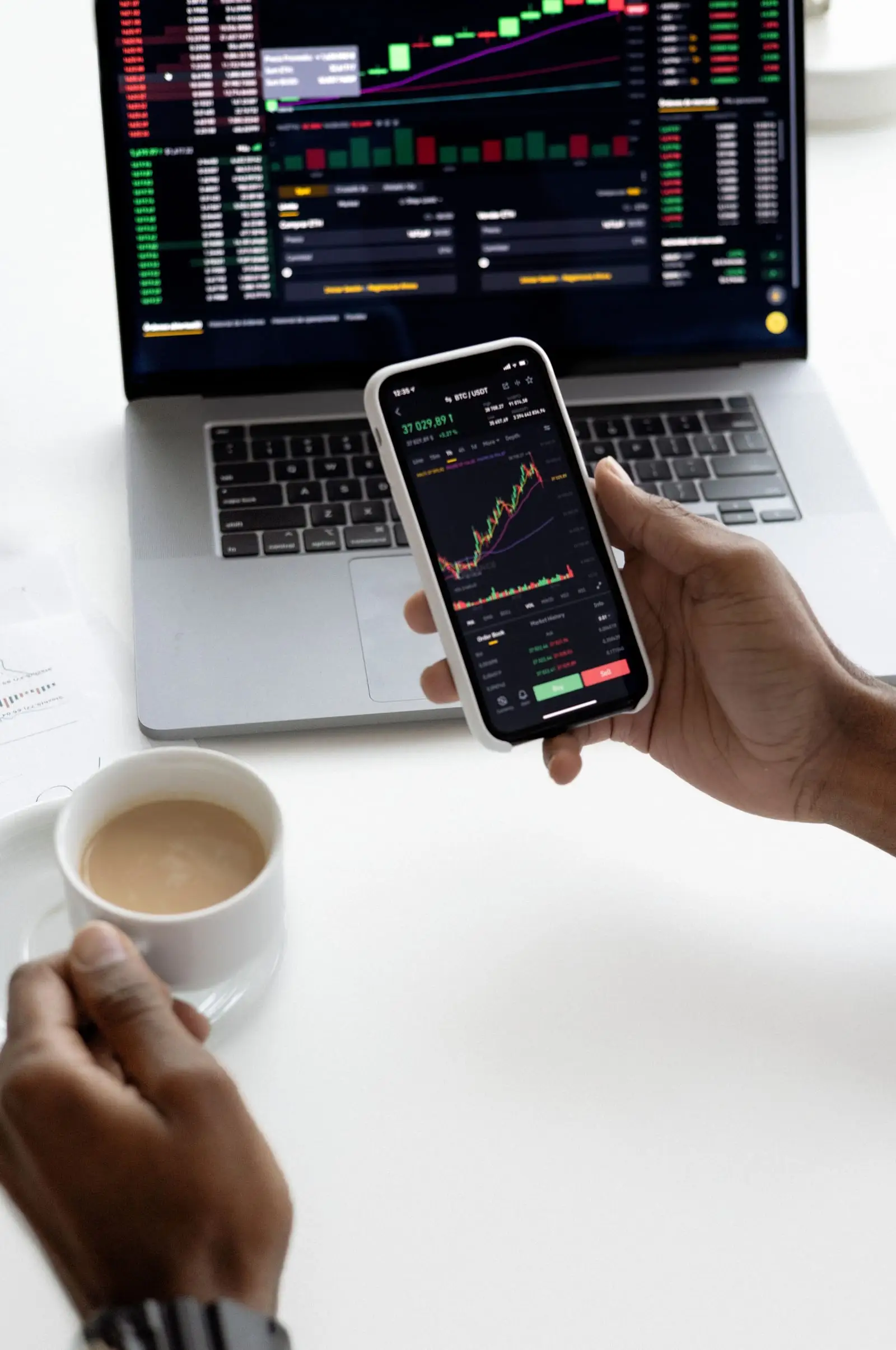
Custodial vs Self-Custody Wallets
After buying, your coins sit in your exchange account. That is a custodial arrangement: the exchange holds the private keys and owes you the balance. It is convenient, but if the exchange is hacked, freezes withdrawals or fails, you depend on its processes and any legal protections in your country.
A self-custody wallet gives you the private keys. Software wallets run on your phone or computer; hardware wallets store keys on a dedicated device that stays offline. With self-custody, nobody can freeze your coins, but nobody can recover them for you either.
The seed phrase
When you set up a self-custody wallet, it shows a recovery or seed phrase, usually 12 or 24 words. Anyone with these words controls your funds. Write them on paper or metal, store them somewhere safe and private, and never type them into a website, a screenshot, cloud notes or a chat. No legitimate exchange, wallet maker or support agent will ever ask for them.
Withdrawing safely
To move coins from an exchange to your wallet, copy the receiving address from the wallet, paste it into the exchange’s withdrawal screen, and double-check the first and last few characters. Pick the correct network: sending a coin over a network the wallet does not support can lose it. Send a small test amount first, confirm it arrived, then send the rest. Expect a network fee for each withdrawal.
Dollar-Cost Averaging for Beginners
Trying to buy at the exact bottom is stressful and rarely works. Dollar-cost averaging, or DCA, means investing a fixed amount on a regular schedule, such as weekly or monthly, regardless of price. Many exchanges offer recurring buys that automate this.
DCA spreads your entry across many prices, so a single bad day matters less. In falling or choppy markets it often lowers your average cost; in a steadily rising market a lump sum invested at the start usually does better. You can compare both on real historical prices in the DCA tab of our crypto profit calculator. For context on how deep past downturns went, read our crypto bear market analysis.
Common Scams and Mistakes to Avoid
Most losses for beginners come not from price moves but from fraud and avoidable errors.
Scams
- Fake support agents. Scammers watch social media for people asking for help, then message them pretending to be support. Real support never asks for your password, 2FA codes or seed phrase.
- Investment and romance scams. A friendly contact introduces a “trading platform” with impressive returns. Early withdrawals may work; larger ones never do.
- Phishing sites and apps. Fake websites and apps mimic real exchanges or wallets. Use bookmarks and official app stores, and check the developer name.
- Giveaway scams. “Send one coin, get two back” is always a scam, even when it appears to come from a famous account.
- Fake airdrops and approval traps. Connecting a wallet to an unknown site and signing a transaction can give it permission to drain your tokens.
Mistakes
- Buying with money needed for rent or bills.
- Chasing coins after a huge run-up because of fear of missing out.
- Using SMS-only 2FA or reusing passwords.
- Sending coins on the wrong network or to an unchecked address.
- Storing a seed phrase in a photo or cloud document.
- Using leverage or derivatives before understanding spot buying.
Crypto prices can fall sharply and stay low for long periods. No legitimate platform or person can guarantee profits. If you suspect fraud, stop sending funds and report it to your local authorities and the platform involved.
A Note on Taxes
Tax rules for crypto differ widely between countries. In many places, buying crypto with cash is not taxable in itself, while selling, swapping one coin for another, or spending crypto may be. Some jurisdictions treat short-term and long-term gains differently, and some have reporting obligations even for small amounts.
The practical step is the same everywhere: keep a full record from your first purchase. Most exchanges let you export transaction history. If your situation involves multiple platforms, staking rewards or frequent trading, consult a qualified tax professional in your jurisdiction.
What to Do After Your First Purchase
Once you own some crypto, the goal is to make calm, informed decisions rather than react to every price swing. A few next steps:
- Read the forecast ranges and fundamentals for the coin you bought, for example our Bitcoin price prediction, and compare several assets in best crypto to buy.
- Learn how our forecasts are made, and where they fall short, on how crypto price predictions work.
- Follow the bigger picture in our market analysis section, which covers interest rates, regulation and fund flows.
Above all, keep security habits from day one. A strong password, an authenticator app, a carefully stored seed phrase and healthy skepticism toward unsolicited messages will protect you more than any price forecast.
Frequently asked questions
What is the safest way to buy crypto for beginners?
Use an exchange that is licensed or registered to serve customers in your country, protect the account with an authenticator app rather than SMS, start with a small amount, and fund it by bank transfer where possible. Avoid buying through social media contacts, unknown apps or anyone who promises guaranteed returns.
How much money do I need to start buying crypto?
Most exchanges let you buy a fraction of a coin, so you can start with a small amount, often the equivalent of a few dollars or less. The minimum depends on the platform and payment method. Starting small is sensible while you learn how orders, fees and withdrawals work.
Should I keep my crypto on the exchange or in a wallet?
Keeping coins on an exchange is convenient but means the exchange controls them. A self-custody wallet gives you full control but makes you responsible for your seed phrase. Many people keep small, active amounts on an exchange and move long-term holdings to a wallet they control. Choose based on your comfort with security.
What is the difference between a market order and a limit order?
A market order buys immediately at the best price currently available, which is fast but may cost a little more in volatile moments. A limit order lets you set the maximum price you are willing to pay; it only fills if the market reaches that price. Limit orders give more control and can carry lower fees on some platforms.
Why do exchanges ask for ID?
Licensed exchanges must follow know-your-customer and anti-money-laundering rules, which require verifying who their customers are. Verification usually involves a photo ID and sometimes proof of address. Be cautious of any platform that offers large purchases with no verification at all, as it may not be properly regulated.
Do I pay tax when I buy crypto?
In many countries, simply buying crypto with cash is not a taxable event, but selling, swapping or spending it often is. Rules vary widely by jurisdiction. Keep records of every purchase from day one, including date, amount, price and fees, and consult a qualified tax professional where you live.
Put your research into practice
Compare forecasts, size your position for volatility, then open an account on a licensed exchange.
Keep exploring
Profit Calculator
Free crypto profit calculator: work out profit, ROI and break-even after fees, compare lump sum vs DCA, and…
AI Price Predictor
Pick a coin, an amount and a time frame: our AI-style model runs 2,000 simulations on real volatility and…

Model-Ranked Watchlist
Which coins does our forecast model rate highest right now? A transparent ranking by base-case upside and…

Bitcoin Prediction
Bitcoin price prediction for tomorrow, the next 12 months, 2030 and 2040: live BTC price, monthly forecast…
Our Methodology
How our crypto forecasts are built: data sources, technical indicators, volatility bands, the halving-cycle…
Not Financial Advice (NFA). This page is published by an independent analytics portal. Forecasts are generated by algorithms based on technical analysis and historical data; they are estimates with wide error margins, not promises or recommendations. Crypto prices are extremely volatile and you could lose all of your investment. Do your own research and never invest money you cannot afford to lose. Full disclaimer · How our model works